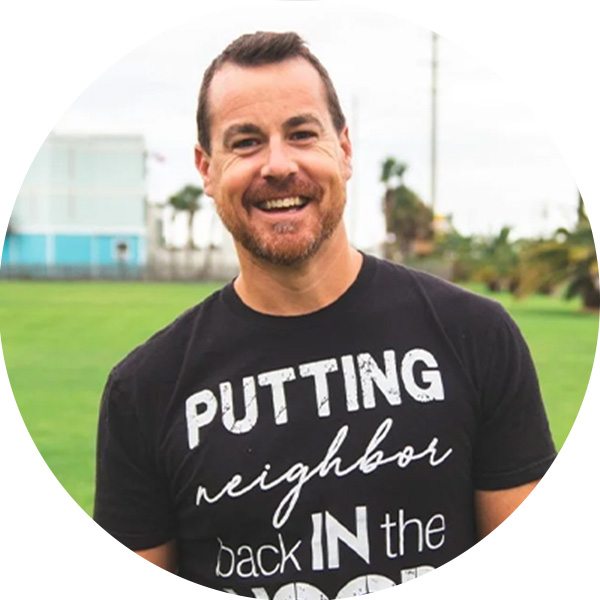
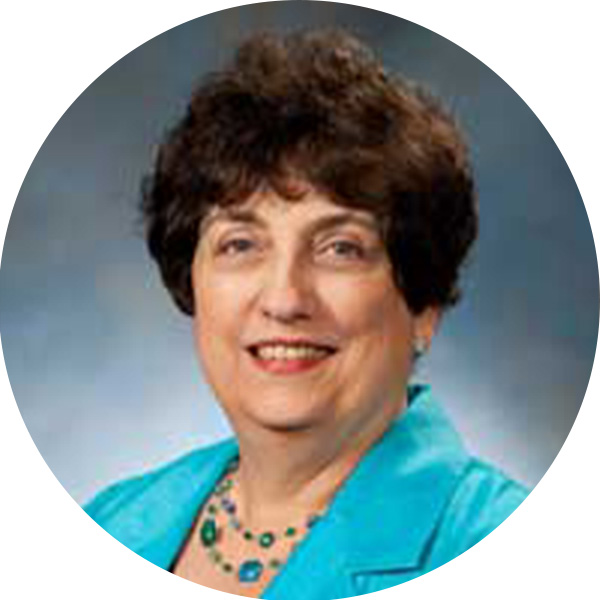
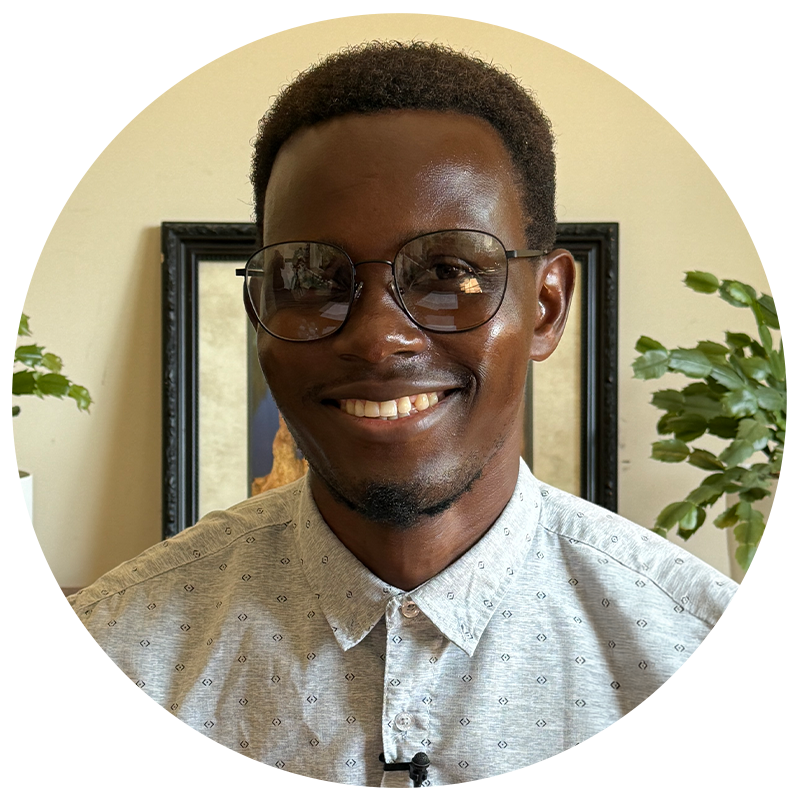
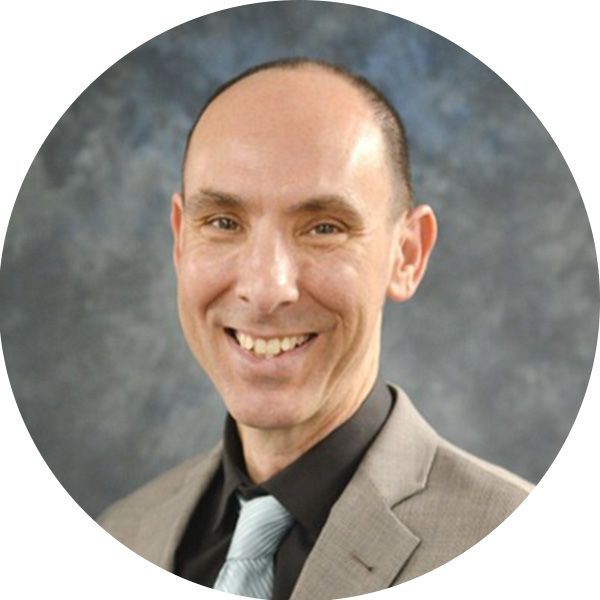
Local leaders shaping Galveston Texas

10 People Quietly Shaping Galveston’s Future

As The 1839 steps onto the scene, one of the most important questions we can ask is simple: who is already doing the work of building the Galveston we want to live in ten years from now? This feature is our first attempt to answer that honestly. From classrooms to wetlands, opera houses to Juneteenth, these are the islanders doing the work that will define the next decade.


Galveston’s future isn’t being written in press conferences or campaign mailers. It’s playing out in classrooms and boardrooms, in marsh grass and historic theaters, in neighborhood nonprofits and behind-the-scenes strategy calls. Some of the people driving that future are well known. Others would walk into a coffee shop virtually unnoticed. But taken together, they’re shifting how Galveston thinks about housing, education, culture, the environment, and what “home” on this island should feel like.


This list is not a power ranking or an endorsement slate. It’s a snapshot: ten leaders whose work, values, and decisions are quietly but decisively shaping the island’s next chapter—often with an eye toward compassion, equity, and long-term resilience.
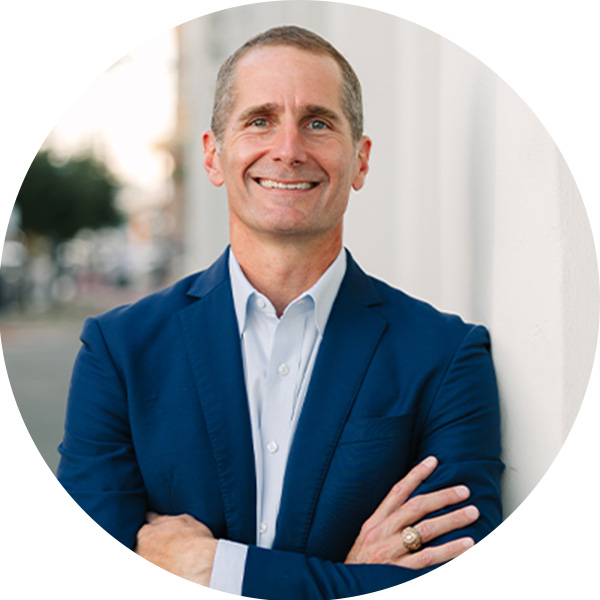
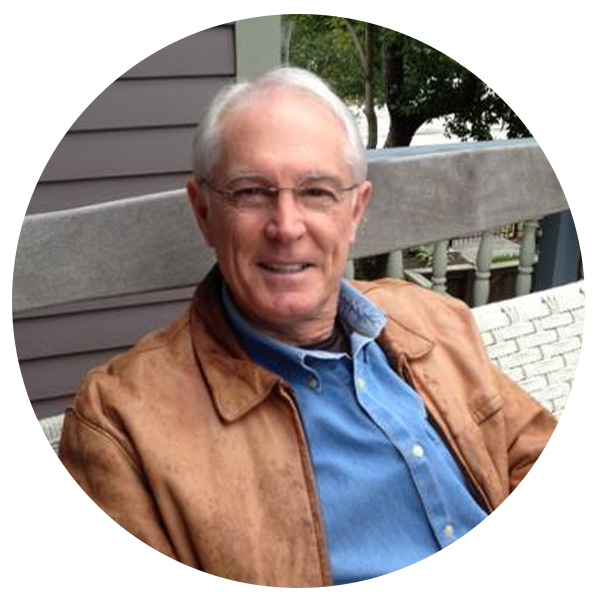
John Paul Listowski

Civic Leader

The bridge between old Galveston and what comes next.

John Paul “JP” Listowski is part of a younger generation of civic leaders who see Galveston’s future as something you build, not just manage. Born and raised on the island, he went from O’Connell High School to a Construction Science degree at Texas A&M, then came back home to work in construction and homebuilding before stepping into city politics.

He has served on Galveston City Council and other local boards, giving him a front-row seat to debates over development, infrastructure and neighborhood quality of life. His current mayoral platform leans heavily on themes like “Honest & Compassionate Leadership” and building an “Inclusive Community,” with a focus on youth partnerships, affordability, and infrastructure that works for residents, not just visitors.

He’s not the loudest voice in any room. But his mix of hometown roots, technical experience, and people-first messaging has already begun to shift expectations of what leadership on the island can look like.

Mayor Craig Brown

Mayor Of Galveston

The steady hand trying to hold a fast-changing city together.

Craig Brown is a familiar name, but much of his influence comes from the long, unglamorous work of local governance. After years as a councilmember, he has now been elected mayor multiple times, with a public record that stretches back through service on the Planning Commission, the Historic Downtown Strand, Seaport Partnership, and other civic boards through three terms as Councilmember for District 2 and three terms as Mayor.

Under his leadership, Galveston has tried to balance growth with preservation—managing port and cruise expansion, bond-funded infrastructure improvements, and the city’s role in developing a national Juneteenth center at Ashton Villa. Brown’s public messaging tends to steer away from culture war theatrics and toward unity, community input and long-term planning, which matters in a city that has to navigate storms, tourism, and deep local history all at once.

He’s the person sitting at the intersection of neighborhoods, port, and tourism—quietly trying to keep Galveston from being pulled apart by competing interests.

Christine Bryant

CEO of Vision Galveston and Interim Executive Director of Build Galveston

The planner turning big ideas into actual projects.

If you want to know what Galveston might look like in 10 or 20 years, you eventually end up in a room with Christine Bryant. As CEO of Vision Galveston and interim executive director of Build Galveston, she’s tasked with translating thousands of resident comments, economic studies and political realities into a coherent roadmap.

She brings more than two decades of experience in economic development and public affairs, and is widely described as a tireless advocate for both residents and the local workforce. Through Build Galveston, she’s helping drive projects like the redevelopment of the former L.A. Morgan Elementary site into workforce housing and an initiative that aims to produce or preserve a large number of attainable units for essential workers.

You don’t see her face on yard signs. But the housing, affordability, and neighborhood health of Galveston in 2035 will be heavily influenced by decisions she’s facilitating right now.

Cheryl “Sue” Johnson

Founder of Nia Culture Center

The keeper of memory, purpose, and Black youth futures.

On the Strand, tucked among shops and tourists, Cheryl “Sue” Johnson has spent decades doing quietly radical work. She founded Nia Cultural Center in 1992 as an educational and cultural nonprofit with a mission rooted in youth development, family strengthening, and the power of culture and history to shape children’s lives.

Nia has become a key anchor of Galveston’s Juneteenth story, offering exhibits, talks and programs that connect locals and visitors to the island’s role in emancipation. Johnson and Nia are also deeply involved in the Juneteenth Legacy Project, which helped bring the “Absolute Equality” mural to downtown and continues to push for serious, community-driven interpretation of Juneteenth.

In an era when Galveston is marketed globally as the birthplace of Juneteenth, Johnson’s work makes sure that identity is more than a brand—it’s literacy, pride and opportunity for the kids who live here.

Sam Collins III

Professor Juneteenth

The historian ensuring freedom is more than a festival.

Sam Collins III is often introduced as “Professor Juneteenth,” and it fits. A Born-On-the-Island historian and advocate, he has spent years teaching the deeper history behind June 19, 1865—well beyond the surface-level celebrations.

He is a co‑founder and leading voice of the Juneteenth Legacy Project, the group that produced the “Absolute Equality” mural downtown and continues to shape how Juneteenth is interpreted in Galveston’s public spaces. Collins is also a sought‑after speaker at events across Texas and beyond, where he regularly makes the case that Juneteenth is not just a party but a call to finish the work of equality.

As Galveston leans into its global identity around Juneteenth, Collins’ insistence on nuance, honesty and community control is shaping how the story is told—and who benefits from it.

Karla Klay

Executive Director of Artist Boat & Founder of The Coastal Heritage Preserve

The environmentalist defending the island’s wild heart.

Long before “resilience” showed up in planning buzzwords, Karla Klay was loading kids into kayaks and putting paintbrushes in their hands. She founded Artist Boat in 2003 to connect art and science in a way that makes people fall in love with the coast—and then fight for it.

Artist Boat now runs eco‑art kayak adventures, school programs, teacher trainings and habitat restoration events that reach thousands each year. Klay’s most ambitious work is the Coastal Heritage Preserve on West Galveston Island, a long-term effort to purchase and protect hundreds of acres of coastal prairie and wetlands from development, creating a bay‑to‑beach preserve that doubles as an outdoor classroom and flood buffer.

In a city constantly negotiating between new construction and flood risk, Klay’s quiet land deals and education programs are literally reshaping where water goes—and how kids understand the place they live.

Josh Dorrell

Executive Director of Galveston Urban Ministries

The pastor of “hand up, not handout” community development.

In 2010, following what he has described as a clear calling, Josh Dorrell moved his family to Galveston to help launch Galveston Urban Ministries (GUM). The nonprofit was created to “engage, equip, and empower” neighbors in underserved areas, with the goal of building long-term stability and opportunity rather than short-term charity.

Operating out of the North Broadway area and surrounding neighborhoods, GUM has grown to offer after-school programs, youth mentoring, job-readiness training, and regular community events. Its guiding philosophy—a hand up rather than a handout—emphasizes dignity, relationship, and sustained presence. That model gained major recognition in 2022 with a $2 million Moody Foundation grant to expand GUM’s community center and operations.

While Dorrell is no longer the Executive Director, the mission he helped establish continues under new leadership. Brandon Williams now serves as Executive Director and is carrying the organization forward, building on the foundation Dorrell put in place.

Today, Dorrell focuses his full-time work on pastoral leadership at Coastal Community Church. Even so, the culture he helped shape at GUM—rooted in neighborhood ownership, dignity, and slow, relational change—continues to influence how churches and nonprofits across Galveston think about poverty, justice, and community development.

Maureen M. Patton

Executive Director of The Grand 1894 Opera House

The cultural strategist who kept the Grand—and downtown—alive.

If The Grand 1894 Opera House is Galveston’s living room, Maureen M. Patton has been the host for more than four decades. She has served as executive director since 1981, overseeing administration, artistic programming and major capital campaigns that restored and expanded the historic theater.

The Grand is a nonprofit performing arts center and is officially designated “The Official Opera House of Texas.” It regularly brings touring Broadway shows, concerts and local productions to a 1,040‑seat Romanesque Revival theater in the downtown arts district. After Hurricane Ike, Patton led a restoration effort that allowed The Grand to reopen in early 2009—symbolically and economically critical for downtown’s recovery.

Her work has made live performance a normal part of life for island kids and visitors, anchored restaurants and galleries around the theater, and kept Galveston on the cultural map far beyond its size.

Dzago Chatsama

Artist, Producer, and Youth Mentor

The global creative using music to lift local kids

Originally from Zimbabwe, musician and producer Dzago Chatsama has built a life in Galveston while keeping his art global. His work has earned honors like a Gospel Choice Music Awards Gospel/Religious Producer of the Year win and recognition as a Galveston County Citizen of the Year finalist and local Male Vocalist of the Year.

Online, his catalog reaches listeners across streaming platforms, with songs that lean into themes of hope, perseverance and faith. A profile in a Zimbabwean outlet describes his mission as “spreading positivity and love through his craft,” and his Innovators Music Company brand extends into mentoring younger artists.

For Galveston, the impact is twofold: he’s exporting a piece of the island to the world through his music—and showing local kids that you can build something creative and meaningful without abandoning your community.

Dr. Matthew Neighbors

Superintendent, Galveston ISD

The educator redesigning what it means to grow up on the island

Talk about Galveston’s future and you’re really talking about its kids. That puts Dr. Matthew Neighbors, superintendent of Galveston ISD, squarely in the center of the island’s next chapter. A Texas A&M graduate who started teaching in West Texas in the 1990s, he has spent most of his career in GISD as a teacher, coach, and instructional leader before stepping into the top job.

In 2023, the GISD board unanimously chose Neighbors as superintendent. He now leads a 13‑school district serving Galveston, Jamaica Beach and parts of the Bolivar Peninsula. In a recent education podcast, he outlined priorities that go far beyond test scores: expanding college and career pathways, building trust with principals, incorporating midyear student feedback, supporting teachers through incentives and coaching, and using data and technology—including AI—in thoughtful ways.

He has also been a public voice in navigating a controversial state push to display the Ten Commandments in classrooms, emphasizing constitutional concerns and the need to keep schools focused on instruction and inclusion. If he succeeds, Neighbors won’t just move metrics; he’ll help define what it actually feels like to grow up, learn, and stay in Galveston as a young adult.

Conclusion: The Quiet Blueprint of Galveston’s Future

Look at these ten together and a pattern emerges. They’re not all politicians. They’re not all CEOs. Most of them spend far more time working than talking about their work. But each, in their own lane, is pulling Galveston toward a version of itself that is more just, more resilient, and more human.

 1. JP Listowski and Craig Brown are wrestling with what leadership should look like in a small city under big pressures.

2.Christine Bryant is trying to make sure people who serve this island can still afford to live on it.

3. Sue Johnson and Sam Collins are grounding Galveston’s future in an honest telling of its past.

4. Karla Klay is protecting the wetlands and wild spaces that will decide how this island survives the next storm.

5. Josh Dorrell is proving that poverty work done with dignity can change a neighborhood’s story.

6. Maureen Patton is keeping a historic cultural anchor alive in a downtown that easily could have hollowed out.

7. Dzago Chatsama and Dr. Matthew Neighbors are shaping the imaginations, opportunities, and expectations of the next generation.

None of them is doing this alone. There are dozens of others who could appear on a list like this—and they will, in time. This is a starting lineup, not a final verdict. For The 1839, the point is simple: if we want a better future for Galveston, we should know the names of the people already building it. And then we should ask a harder question: What part of this future is ours to carry, too?

Stay Connected with The 1839!
Follow us for behind-the-scenes sneak peeks and the latest updates—don’t miss out!
Stay Connected with The 1839!
Follow us for behind-the-scenes sneak peeks and the latest updates—don’t miss out!