
And Galveston Said Yes
Mayor Craig Brown Interview: Part 5 of 6
“People are more interested in knowing you want to hear their opinion than in whether you voted the way they wanted you to vote.” ~ Craig Brown
On May 2, Galveston voters delivered a decisive verdict — 60 percent for JP Listowski, 63 percent for Bob Brown, 55 percent for Jeff Taylor. In Part 5 of this six-part series, outgoing Mayor Craig Brown reflects on what those numbers mean, what the new council inherits, and why a culture of listening may be the most valuable thing a city can pass down.

At A Glance
Galveston’s May 2 elections delivered landslide victories for all three candidates aligned with Mayor Craig Brown’s governance philosophy — JP Listowski won the mayor’s race by 24 points, Bob Brown was reelected by 25, and Jeff Taylor took District 2 with 55 percent. On the outgoing council’s final day, Rosenberg Park was accepted unanimously after years of community fundraising, environmental testing, and patient advocacy by Bob Brown.
But the new council inherits significant challenges: a state-imposed revenue cap straining the city’s ability to retain employees, a Pelican Island Bridge with two competing path forward, a housing shortage as 2,400 Davie Defense jobs approach, and a major 170-acre coastal development — Discovery Sands — headed to a vote on May 28. Craig Brown’s parting message to his successors and the community: governance works best when leaders listen first, and Galveston now has a council that believes it.
Galveston voted for unity by a landslide. Now the hard work begins.
Mayor Craig Brown Interview: Part 5 of 6 | By David Landriault | The 1839
Craig Brown spent six years proving that a city can choose cooperation over conflict, trust over suspicion, and patience over spectacle. On May 2, Galveston chose it too. Now comes the work that makes it real. ~ David Landriault
Cities don’t usually get to choose who they are. They inherit economies, geographies, histories, grudges. They get dealt a hand and they play it. Most of the time, the best a city can hope for is that the people in charge don’t make things worse.
Galveston did something different. On May 2, it chose.
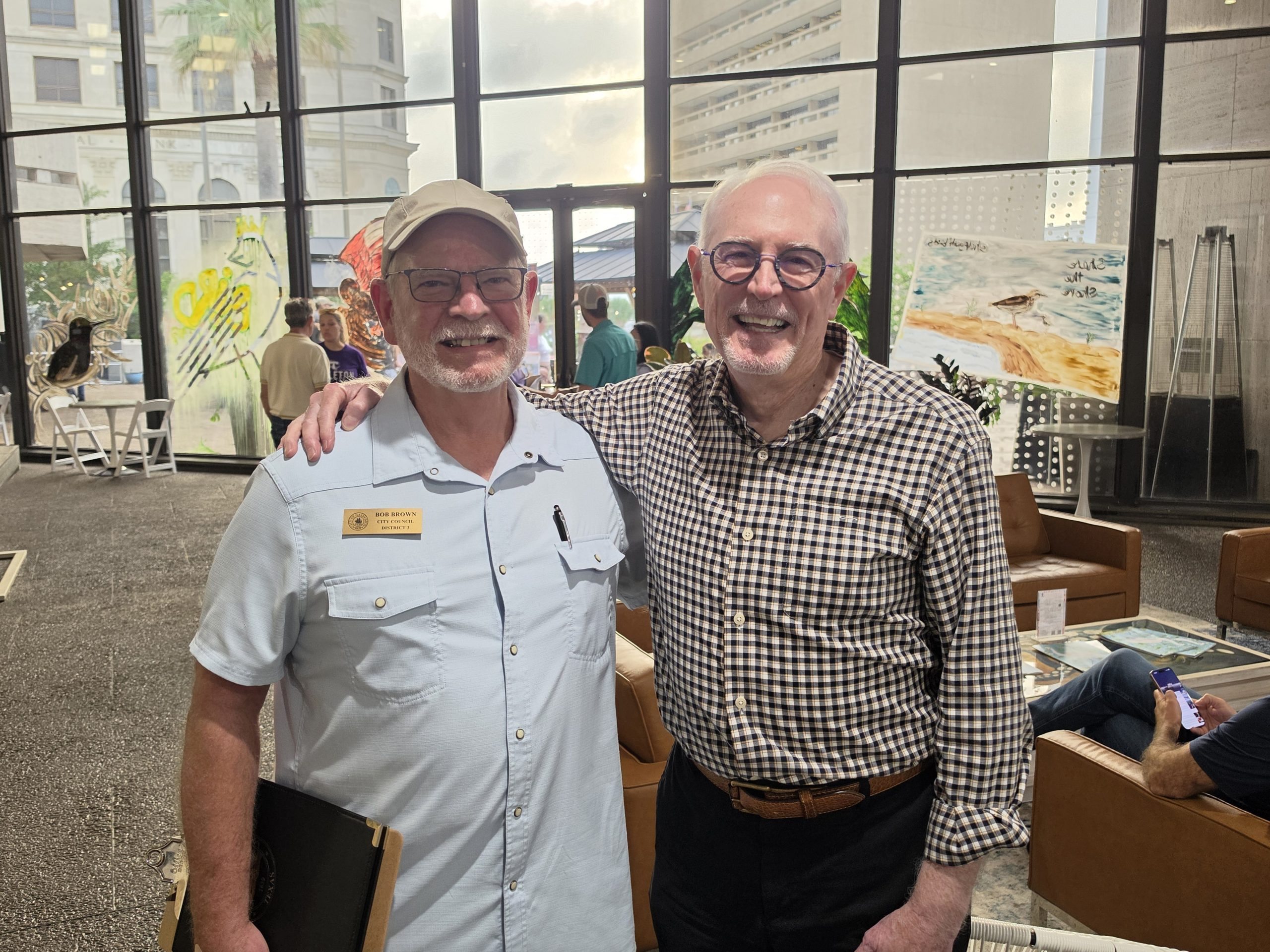
JP Listowski — the former city council member Craig Brown endorsed over his own mayor pro tem — won the mayor’s race with 60 percent of the vote, a 24-point margin. Bob Brown won reelection in District 3 with nearly 63 percent. Jeff Taylor took District 2 with 55 percent. All three ran on the same message: end the division, listen to every resident, govern for the whole community.
Taylor put it as simply as anyone could on election night: “I was elected to represent District 2, and it doesn’t matter whether people voted for Jeff Taylor or my opponent. I will represent everybody honestly, fairly, and equally.”
That’s not a talking point borrowed from the outgoing mayor. That’s a man stating his own values — values he shares with the colleagues Galveston elected alongside him. Listowski, Brown, and Taylor are their own leaders with their own visions. But they share a conviction that governance works best when you listen to the people you serve, and that belief didn’t need to be handed down. It just needed to be proven. Craig Brown proved it. They intend to build on it.
In a political moment defined nationally by division and scorched-earth campaigns, Galveston said yes to something better. Now comes the work that proves it meant it.
Rosenberg Park
Before the new council was even seated, the outgoing one delivered a reminder of what good governance looks like.
On its final day in session, the outgoing city council voted unanimously to accept Rosenberg Park. For years, this project had been a test of whether Galveston’s government could say yes to something its people clearly wanted. Joe Jaworski and the Project Rosenberg team raised $2.2 million. The community showed up, again and again. Environmental testing had to be completed and the results had to come back clean before the city could accept the land. Craig Brown had the vote on the agenda as early as January, but the clearance wasn’t ready. Month after month, it got pushed — January to February, February to March, March to April.
It came in clean just in time for the outgoing council’s final meeting.
And through all of it — the fundraising, the environmental process, the months of uncertainty, and despite reservations from some on council earlier in the process — one person kept the conversation alive: Bob Brown. He’d been working on Rosenberg for a year before he was even elected to council, and for two years after, he never let it go. Advocacy, coalition-building, and quiet persistence. Not grandstanding. Not leveraging the issue for political gain. Just the patient, stubborn work of shepherding a community’s vision through the machinery of government until the machinery said yes.
Unanimously. Every member of council, including those who had once expressed doubts.
On election night, when asked what he was most looking forward to in his next term, Bob Brown didn’t hesitate.
“I’m extremely excited. Not just for what can happen in my district, but for the whole island.”
That’s a council member who just won reelection by 25 points, and the first thing on his mind is what comes next — not what he’s already accomplished. It tells you who he is.
Rosenberg was straightforward in the end. The money was raised. The community was united. The question was simply whether the government would accept what was being offered. But the decisions ahead are harder — because they involve real money the city doesn’t easily have, problems no one has written a check to solve, and competing interests that won’t resolve themselves.

The Constraint Nobody Talks About
Craig Brown wanted to make sure I understood what those constraints look like from inside city hall, so he explained it the way he explains everything — clearly, patiently, and in terms no one could miss.
“If you own a business — a coffee house or whatever business you own — can you imagine trying to operate under these guidelines? Your overhead’s going up more than three and a half percent a year. And you can’t go up more than three and a half percent on what you charge. And then a minority of your customers can say you can’t even raise it that much.”
That’s the state’s no-new-revenue cap. During Craig Brown’s final budget cycle, a three-member council minority blocked even the 3.5 percent increase, and the result hit the people who keep the city running every day — civilian employees who waited months for cost-of-living raises that police and fire receive automatically through collective bargaining.
“Our civilian employees have not had increases in salary to keep up with the cost of living or the fair market value of those positions at other cities. And when you do that, you’re going to start losing good people.”
The mayor rated the budget challenge a seven out of ten for the incoming council and stressed that every decision they make will ripple forward into future administrations. JP Listowski ran on meeting this challenge through efficiency, technology, and disciplined management rather than raising the burden on residents — an approach that takes seriously what taxpayers are saying while recognizing, as Craig Brown emphasized, that the city also needs to fight for relief from state-level constraints that were never designed for an island with this much growth arriving this fast.
“It’s very important that we have a legislative agenda that starts to bring to the conscious thought of our representatives up in Austin that these guidelines can be detrimental to a city, and we need some relief.”
Saying yes to Galveston’s future means finding a way to fund it. That’s not a slogan. It’s arithmetic.
Pelican Island Development
The Pelican Island Bridge is the most complex piece of unfinished business on the table. We’ve reported extensively on the details, but Craig Brown offered his candid read on where things stand — including new developments that have shifted the landscape since our March conversation.

The city has funds from local participants on deposit. The gap remains substantial. Craig Brown met personally with the executive director of H-GAC to make the case for regional funding. Meanwhile, a land bridge concept has gained traction — potentially cheaper, easier to maintain, and capable of carrying rail. Brown believes some form of bridge that allows rail is in the best interest of the community, and as council’s liaison on the Wharves Board, he has supported the port’s efforts in pursuing a feasibility study on the land bridge through a Section 203 application to the Army Corps of Engineers, which could unlock 75 percent federal funding.
“We’re going to move both paths forward at the same time. As we go down the line, it could be that one would be superior to the other, and then we’d concentrate our focus on one approach.”
Two paths. One bridge. And a new administration that will have to decide which one to build.
Growth Without Room to Grow
Then there’s the question that may matter more than any other over the next decade. I asked Craig Brown whether Galveston has a plan to house the growth that’s coming. He didn’t hesitate.
“I think we’re behind on that already.”
More than 65 percent of the people who work on this island drive home to the mainland every night. Nearly 800 families with children have left since 2010. Davie Defense alone is bringing 2,400 high-wage jobs. If the island can’t house the people building its future, it risks becoming a place they commute to and leave — a workplace, not a home. The new council will have to find a way to change that.
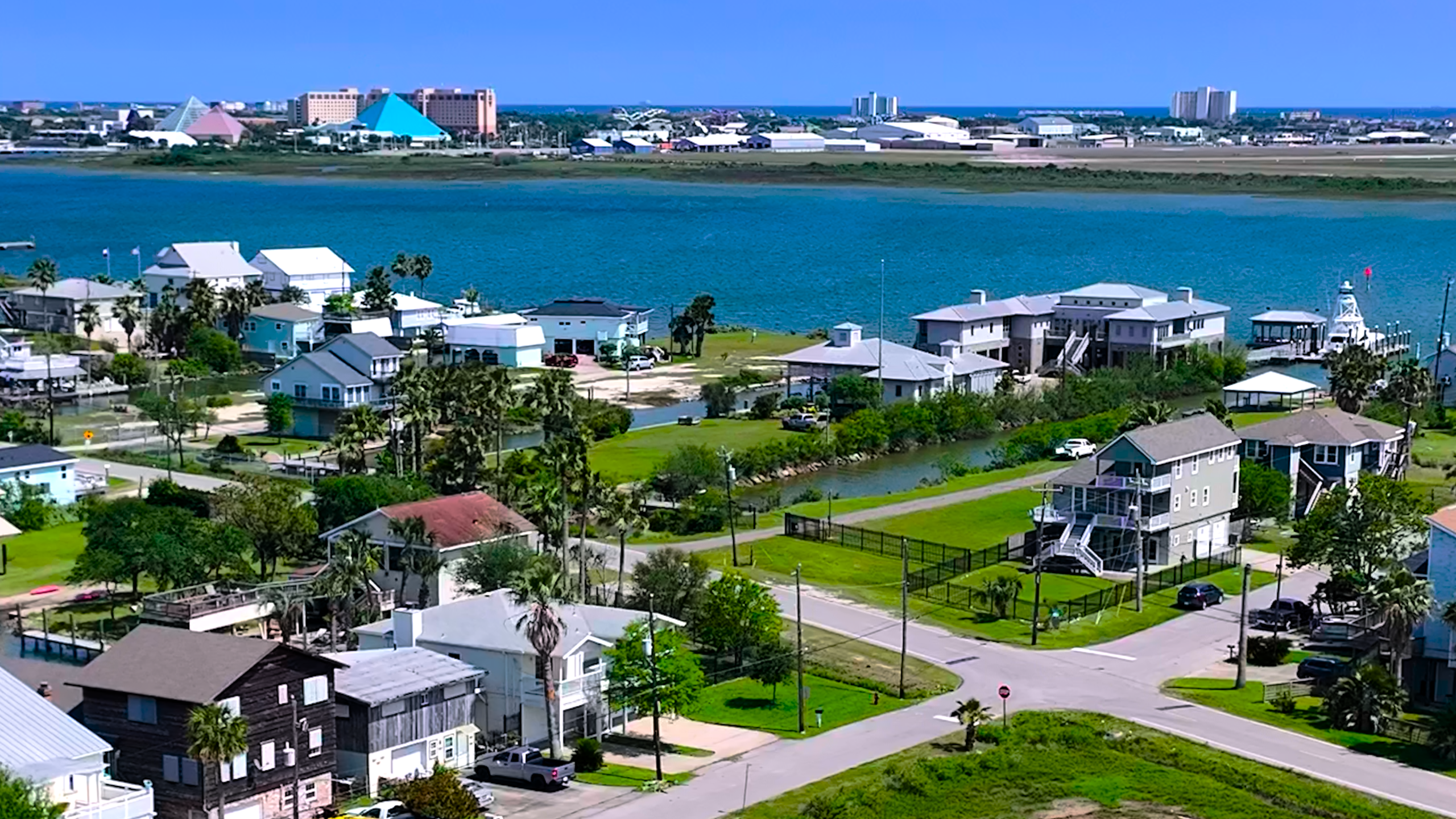
On short-term rentals, Craig Brown’s counsel to his successors was measured: the new ordinance is solid, the enforcement is ramping up, and the wisest thing to do is let it prove itself before changing course.
Discovery Sands
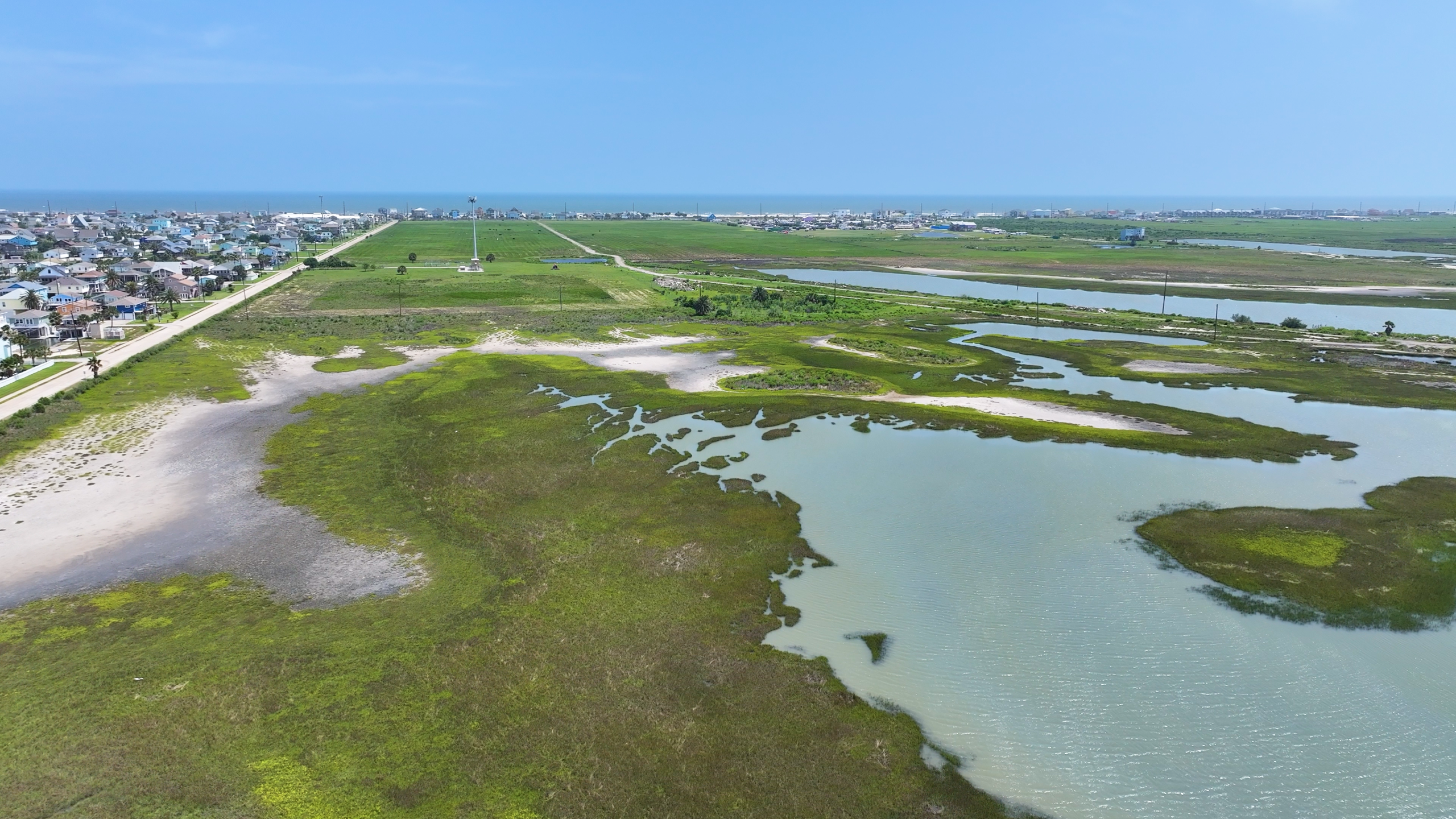
And then there’s the decision that will test this new council before they’ve even settled into their chairs. Discovery Sands — a proposed 170-acre coastal village near Jamaica Beach with hundreds of residential lots, a lagoon, marina, and resort-style amenities — is headed to the new council for a vote on May 28. The planning commission recommended approval in April, but the project has drawn fierce opposition not only from Jamaica Beach residents but from communities across the island, with concerns ranging from traffic and environmental impact to building height variances and the character of the West End.
A major developer. A passionate community. Competing visions for what this island’s growth should look like. This is exactly the kind of moment Craig Brown was describing when he told me that people don’t need you to vote their way — they need to know you heard them. However this vote goes, the new council’s job is to make sure every voice in that room matters. The 1839 will publish a detailed look at Discovery Sands and the questions surrounding it in the coming days.
Handing His Cap to JP Listowski
All of this — the budget, the bridge, the housing, the development decisions, the employees who need to know their city values them — is what Craig Brown was thinking about when he made his endorsement.
He could have played it safe. He didn’t. I asked him what made him confident JP Listowski was the right person to face what’s coming.
“We have an individual with an approach to issues that I think is exactly what we’ve been discussing — the approach that has made us as successful as we’ve been, and that would carry us forward. We need somebody who respects other people’s opinions, evaluates the issues on both sides, and brings forward the best solution for the community. JP Listowski brings that approach.”


And then Craig Brown said something I believe should be heard by every person who has ever walked away from a government meeting feeling like their voice didn’t matter.
“I’ve found in my many years with city government that people are more interested in knowing you want to hear their opinion — that you’ll sit down and try to understand their side of an issue — than in whether you voted the way they wanted you to vote.”
Galveston heard that. On May 2, they chose a mayor who believes it — by a 24-point margin. They reelected a council member in Bob Brown who spent two years on council and three years on Rosenberg proving it — by 25 points. They sent Jeff Taylor to join them, a man who promised on election night to represent everyone in his district equally. Not because these men offered easy answers, but because they offered something this island has learned to value: the willingness to listen first and govern second.
The budget math is real. The bridge isn’t built. The housing isn’t ready. Thousands of workers are on their way to an island that doesn’t yet have enough homes, enough infrastructure, or enough revenue flexibility to absorb what’s coming.
But Galveston has something most cities would trade every dollar in their reserves to possess: a culture that works. A culture where institutions cooperate instead of compete. Where leaders listen before they legislate. Where a community can raise $2.2 million for a park and, after years of patience, hear their government say yes.
Craig Brown built that culture. Galveston voted to keep it. And now, the people this city chose have the extraordinary privilege — and the enormous responsibility — of saying yes to the hardest things.
In our final installment, we’ll be with Craig Brown on his last day in office. No questions prepared. No agenda. Just a mayor walking out the door one last time, and whatever he wants to say to the city he served.
This is Part 5 of a six-part series. Part 6, the conclusion, follows Mayor Brown on his final day in office.

David Landriault
Founder of The 1839
David is the co-founder (alongside his brilliant, infinitely patient wife Christy) of The 1839 and Falcontail Marketing & Design — two ventures built on storytelling, strategy, and a deep love for community.
At Falcontail, David has quietly helped shape the marketing presence of organizations ranging from Stanford University to local legends like Sunflower Bakery & Café. He’s known for turning big, messy ideas into sharp, strategic campaigns — the kind that move people, not just pixels.
He’s been called a creative powerhouse, a strategic Swiss Army knife, and the guy who always ‘has a guy’ for everything. But despite his track record, David avoids the spotlight, preferring to elevate others, solve impossible problems, and deliver dad jokes with unnerving confidence. His work is serious. He just refuses to take himself too seriously.
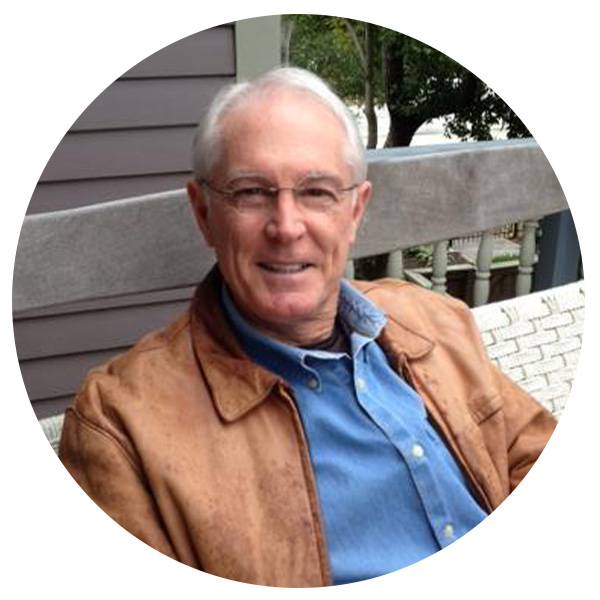
Craig Brown
Proud 39er
Mayor Craig Brown brings decades of public service and deep civic experience to The 1839’s Civics column. A retired pediatric dentist and Galveston resident since 1997, Craig has served the city as a council member, planning commission chair, and now mayor since 2020. His leadership has focused on flood control, infrastructure, historic preservation, and strengthening local partnerships.
Craig offers readers an inside look at how local government works — from city projects and planning to coastal resilience and tourism strategy. With a practical, people-first approach, he breaks down big issues into stories that connect residents with the policies shaping Galveston’s future.

Join the Conversation
Galveston Pictures and Videos
Get Involved with The 1839
Sign Up for Our Newsletter